
Oil Containment Booms
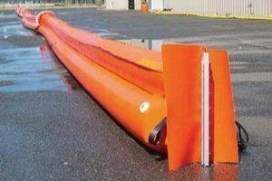
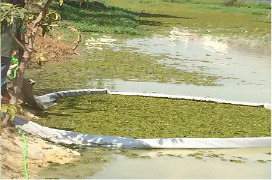
Enviroguard oil containment booms are temporary floating barriers used to contain an oil spill on calm waters. Also known as oil spill booms, they reduce the possibility of pollution on shorelines, rivers, and other resources and protect the environment. Oil containment booms are an important part of the oil spill response process.
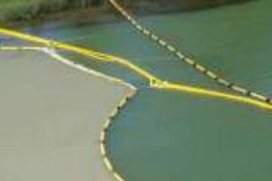
Spill can contaminate the marine and land environments, leading to a lot of environmental damage. Oil spill containment boom can help users minimize the spreading of the spilled oil. It contains oil in areas like oceans, rivers, and coastal waters, reducing environmental damage and cleanup costs to the surrounding environment.
Oil Spill Boom Types
There are different types of oil spill booms including Foam Filled Boom, inflatable booms, silt curtains and turbidity barriers, Debris Boom, beach sealing booms, river boom, permanently deployed booms and rapid deployment emergency response booms.
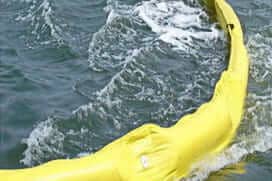
Oil Spill Containment Boom Applications
Oil spill containment booms are widely deployed in ports, refineries, offshore drilling platforms, and inland waterways. In marine environments, they are used to control the spread of oil during both accidental spills and planned maintenance operations
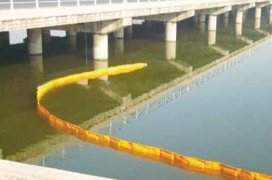
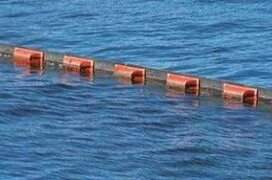
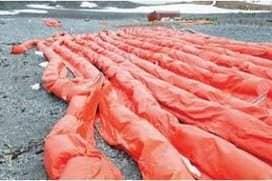
Oil Spill Boom Specifications
| Type | Freeboard | Draft | Wave Height | Section Length | Applications |
|---|---|---|---|---|---|
| Fence Boom | 500 mm | 300 mm | 0.5 m | 20–50 m | Harbours, rivers |
| Inflatable Boom | 650 mm | 400 mm | 1.0 m | 15–30 m | Offshore, open sea |
| Permanent Boom | 800 mm | 500 mm | 1.5 m | 50–200 m | Ports, harbours and refineries |
Construction:PVC-coated fabric | Hot-dip galvanized chain.
How do I choose between a fence boom, inflatable boom, and permanent boom?
Fence booms handle calm, sheltered water — harbours, rivers, cooling ponds — with waves under 0.5 metres. Inflatable booms handle open water up to 1.0-metre waves and deploy faster in emergencies. Permanent booms with 800mm freeboard suit fixed installations at refineries and ports where the boom stays deployed year-round.
How much containment boom do I need for my port or jetty?
Measure the longest straight-line distance across the water area you need to enclose, then add 30–50% for anchoring, curvature, and tidal movement. A typical single-berth jetty needs 100–300 metres of connected boom sections. Enviroguard manufactures boom in custom section lengths to match your site layout.
What is the difference between oil spill booms and oil booms?
"Oil spill booms" and "oil booms" both refer to the same floating containment barrier used to stop an oil spill from spreading on water. Enviroguard manufactures them as fence booms for calm, sheltered water, inflatable booms for offshore conditions, and permanent booms for fixed installations at ports and refineries.